Lubrication
matters

Efficiency Starts with the Right Lubrication Strategy

Why?...

Planning

Procedures

Training

Know the
SKF
approach

Enquire Now

I understand by submitting this form, SKF will collect personal data which may be stored in a 3rd party system. I also understand that SKF may use this data for marketing purposes, I will be tracked by automatic means of profiling and previous cookie choices I have made may be modified. To review our Privacy Policy, click the Privacy Policy link found on the bottom of this page. If you do not wish to accept, please contact your local SKF representative to access this content. You can find this information on the Contact Us page of skf.com.

I agree and accept the above terms

X
skf unplanned downtimes

Due to poor lubrication practices, 36% of bearing failures result from inadequate lubrication, and this number increases to 56% when contamination is also considered, making it the single largest cause of machine failure. Research shows that improper lubrication increases friction, wear, and overheating, directly leading to unexpected breakdowns and costly downtime.
X
skf over-lubricate or under-lubricate

Lubrication is often treated as a routine task rather than a precision process. Research shows that over 60% of lubrication-related failures are caused by incorrect quantity or frequency, either too much, leading to seal damage and overheating, or too little, resulting in friction and wear.

X
skf worker safety

Poor lubrication can cause equipment to overheat, seize, or leak, creating slip hazards and increasing the risk of mechanical accidents. SKF highlights that lubrication failures can lead to catastrophic equipment breakdowns, endangering nearby personnel. One of the key benefits of automatic lubrication systems is that they reduce the need for manual access to moving or hazardous areas.

X
skf production plan

Without a structured lubrication checklist, even the most efficient production plan is vulnerable to unexpected breakdowns, safety risks, and costly delays. According to SKF’s lubrication maturity models, plants that implement detailed lubrication checklists experience significantly fewer failures and reduced maintenance costs. These checklists cover critical areas such as lubricant selection, storage and handling, application methods, contamination control, and condition monitoring, all of which directly impact uptime, safety, and operational efficiency.

X
skf longer service life

It has been observed that automated lubrication systems reduce manual labor and extend re-lubrication intervals, saving up to $57,000 annually per machine in labor costs alone. They also significantly extend machine life, reduce human error, and improve consistency.

X
skf cost of ownership

Focusing only on lubricant price overlooks hidden costs such as downtime, labor, and energy inefficiency. SKF’s lifecycle cost models show that premium lubrication systems pay for themselves through reduced failures and energy savings.

X
skf lowering emmisions

SKF’s sustainability data shows that optimized lubrication reduces CO₂ emissions and lubricant waste, supporting ESG goals. Automatic lubrication saves around 200,000 tons of grease per year worldwide by minimizing the waste caused by manual lubrication, equivalent to a reduction of 300,000 tons of CO₂. Additionally, SKF's RecondOil technology enables a circular use of oil that reduces CO₂ emissions by more than 96% overall.

X
skf energy efficiency

A 2017 study cited by SKF found that 20% of global energy is lost to friction. Proper lubrication helps reduce this loss, improving machine efficiency and lowering energy bills.
X
skf training your team

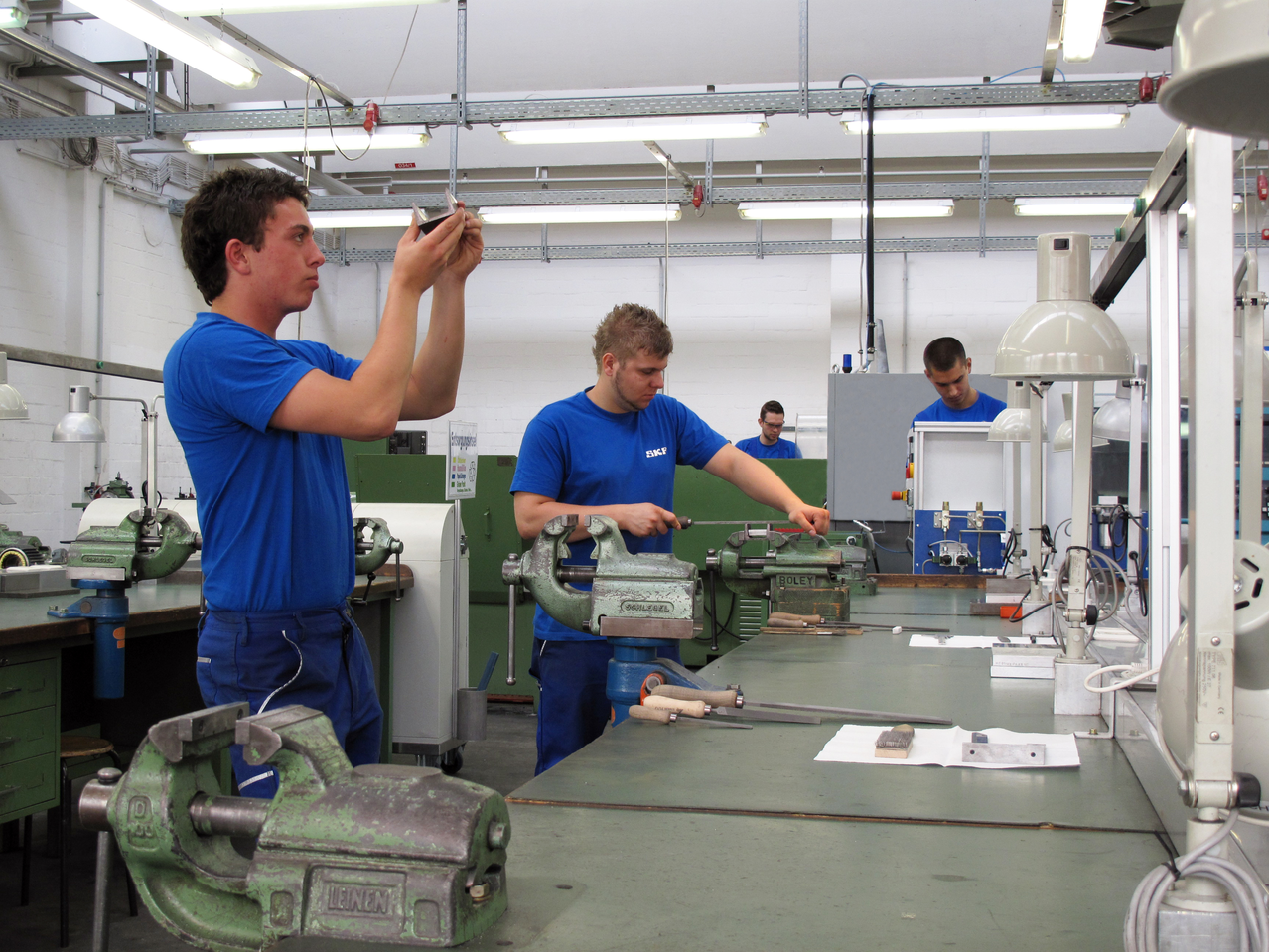
SKF advocates a competency-based approach to lubrication, which involves understanding tribology, contamination control, and system design skills that directly impact plant performance and safety.
X
skf not just a task

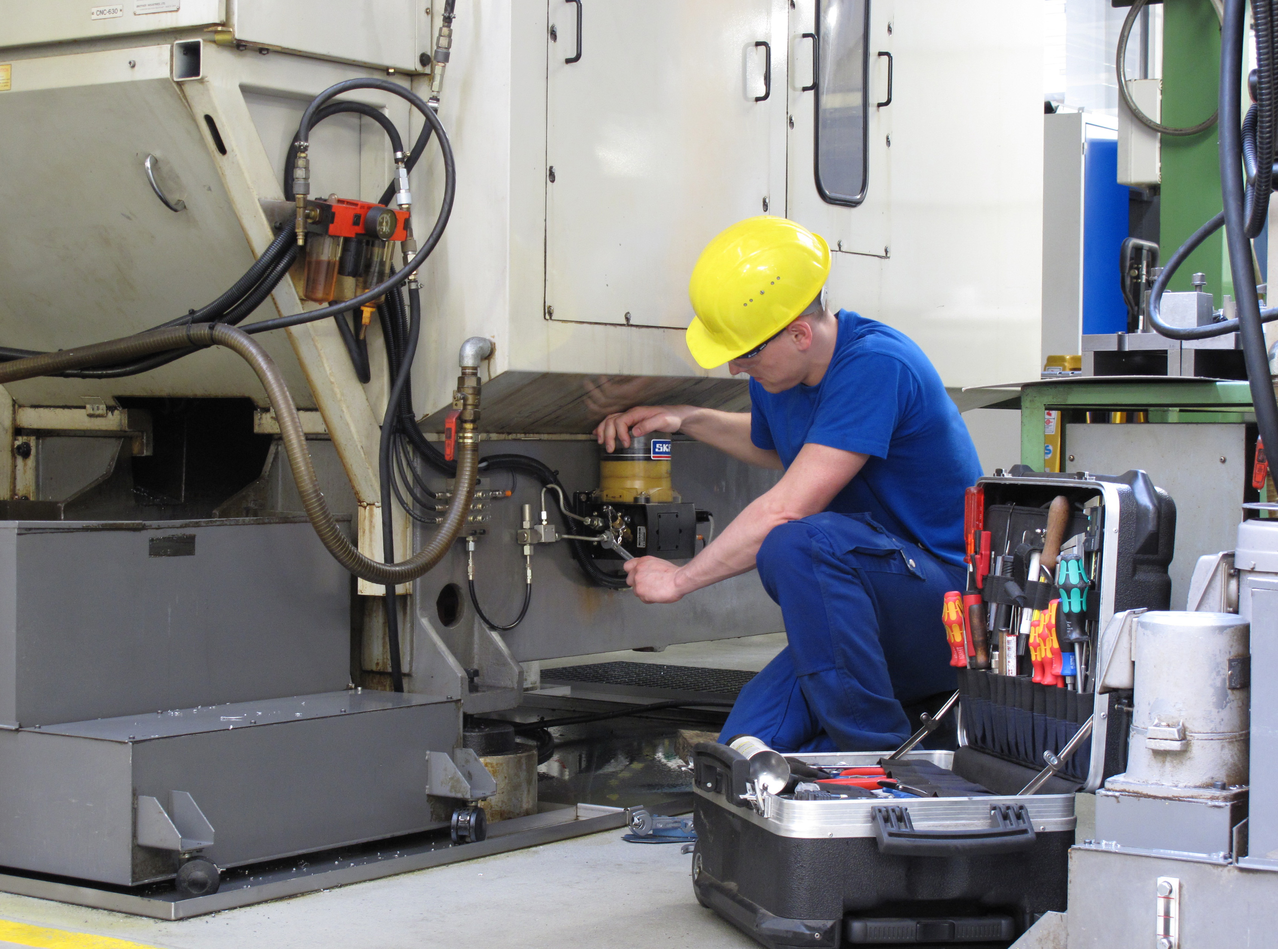
A leading research agency emphasizes that lubrication is a skill-based discipline, not just a routine task. Their training programs demonstrate that well-trained teams make better decisions, reduce errors, and extend equipment life.

X

Why is the right selection of lubricant important?

Choosing the correct lubricant prevents premature wear and breakdowns. SKF reports that 36% of bearing failures are attributed to poor lubrication, emphasizing the importance of matching lubricant properties to operating conditions for reliability.

It has a significant impact on:

  • Maintenance
    Less downtime, more productivity
    1–3% of the lubricant cost in the maintenance budget influences 40% of maintenance costs. Selecting the right lubricant can reduce total maintenance costs by up to 40%.
  • Operations
    Less production delays, more OEE
    The right lubricant selection ensures smoother machine operation, fewer stoppages, and optimized throughput. SKF’s lifecycle models show that proper lubrication reduces downtime and improves overall equipment effectiveness (OEE).
  • Engineering & Reliability
    Less failure, more mean time between failures
    Proper lubrication can prevent 40% of equipment failures, improve uptime, and boost KPIs like MTBF, costs, and energy efficiency. Smart systems like SKF’s CAL and SYSTEM 24 enhance safety, cut waste, and extend component life.
  • Purchase
    Less long-term costs, more ROI
    According to SKF’s lifecycle cost analysis, research shows that focusing solely on unit price often leads to higher long-term costs due to increased failures, downtime, and energy waste. By choosing lubricants based on performance, compatibility, and supplier support, procurement teams can significantly improve ROI.
  • Sustainability
    Less emissions, more life
    The right lubricant selection reduces waste, emissions, and energy consumption. SKF’s sustainability data shows that optimized lubrication supports CO₂ reduction, while different world-leading organizations promote oil regeneration and contamination control.
X

Why is the right purchase strategy important?

A well-defined purchase strategy is essential for effective lubrication management because it ensures the selection of high-performance lubricants that align with equipment needs and operating conditions. Purchasing decisions should consider lifecycle cost, compatibility, and supplier support, not just unit price, to avoid failures and inefficiencies. This approach also supports sustainability goals by reducing lubricant waste and energy consumption.

X

Why is the right storage important?

Since the lubricants won’t be used immediately, proper storage is essential to prevent degradation even in sealed containers. Factors like temperature, humidity, and contamination from improper tools can compromise quality. SKF stresses the importance of climate-controlled storage, revised layouts, and color-coded, clean tools to avoid cross-contamination and maintain integrity. It also recommends first-in, first-out rotation, clear labeling, and filtration during transfer to sustain performance and extend shelf life.

  • Maintenance
    Less downtime, more productivity
    Contamination-free storage extends component life by 2–3x and reduces failures and unplanned downtime.
  • Operations
    Less production delays, more OEE
    Ensures consistent machine performance and fewer production delays.
  • Purchase
    Less long-term costs, more ROI
    Improves inventory control and reduces waste, up to 50% longer shelf life with proper storage.
  • Sustainability
    Less emissions, more life
    Optimized storage and handling can cut lubricant waste by 30%.
  • Training
    Less risk, more confidence
    Facilities with proper storage protocols see 60% fewer human errors.
X

Why are the right transfer techniques important?

Improper transfer introduces contaminants like dirt, water, and metal particles. Reports show that up to 56% of bearing failures are caused by contamination during handling and transfer. SKF emphasizes that using sealed, filtered, and color-coded transfer containers preserves lubricant quality and prevents cross-contamination, which directly impacts equipment reliability and safety.

  • Maintenance
    Less downtime, more productivity
    Minimizes contamination-related failures. Studies show that up to 56% of lubrication failures result from particle contamination during the transfer process.
  • Operations
    Less production delays, more OEE
    Ensures consistent machine performance and fewer production interruptions.
  • Purchase
    Less long-term costs, more ROI
    Minimizes lubricant waste and improves inventory accuracy. 25% reduction in unplanned lubricant disposal with clean transfer.
  • Safety
    Less accidents, more memories
    Prevents spills and exposure to hazardous materials.
  • Engineering & Reliability
    Less failure, more mean time between failures
    Maintains lubricant integrity and compatibility. Filtered transfer can double component life.
  • Sustainability
    Less emissions, more life
    Cuts lubricant waste by 20–30% through clean transfer practices.
  • Training
    Less risk, more confidence
    Standardizes best practices with 60% fewer human errors in facilities using proper transfer protocols.
X

Why selecting right method of application is important?

The 5Rs principle—Right lubricant, Right quantity, Right time, Right point, and Right method—is a foundational framework for selecting and applying lubrication systems effectively. According to SKF, this principle ensures that lubrication is not just performed, but optimized for reliability, safety, and efficiency across departments.

● The first three Rs (lubricant, quantity, time) are based on machine conditions and re-lubrication intervals.

● The fourth R (right point) involves tagging and color-coding to avoid cross-contamination.

● The fifth R (right method) helps decide between manual and automatic lubrication based on asset criticality and maintenance maturity

  • Maintenance
    Less downtime, more productivity
    Reduces failures and downtime, 36% of bearing failures are due to poor lubrication.
  • Operations
    Less production delays, more OEE
    Ensures smoother workflows and fewer production interruptions.
  • Engineering & Reliability
    Less failure, more mean time between failures
    Choosing the right lubricant application method is vital for engineering and reliability: it prevents up to 40% of equipment failures, enhances uptime, and supports predictive maintenance. Smart systems like SKF’s CAL and SYSTEM 24 improve safety, reduce waste, and extend component life. This directly impacts KPIs like MTBF, maintenance cost, and energy efficiency
  • Purchase
    Less long-term costs, more ROI
    Enables smarter procurement: SKF shows up to 40% cost reduction with right lubricant selection.
  • Sustainability
    Less emissions, more life
    Reduces waste and energy use: SKF reports 30% less lubricant waste with optimized systems.
  • Training
    Less risk, more confidence
    Standardizes practices—Noria shows 50–60% fewer human errors with 5Rs-based training.
X

Why is right monitoring important for critical equipment?

Monitoring ensures that lubricants perform as intended—protecting components, minimizing wear, and preventing failures. SKF highlights that lubricant analysis and condition-based monitoring (e.g., vibration, thermography, ultrasound) help detect early signs of contamination or misapplication. SKF research shows 56% of bearing failures are due to poor lubrication and contamination, preventable through proactive monitoring.

  • Maintenance:
    Less downtime, more productivity
    SKF’s eLube systems minimize unplanned downtime with real-time alerts, reducing failure rates by up to 50%. Data from monitoring aids in root cause analysis, improving system design. Wear particle analysis and thermography can extend component life by 2 to 3 times.
  • Operations
    Less production delays, more OEE
    Monitoring ensures lubrication is always optimal, reducing unexpected stoppages. Plants using condition-based lubrication report 15–20% improvement in OEE (Overall Equipment Effectiveness).
  • Engineering & Reliability
    Less failure, more mean time between failures
    Right monitoring of critical equipment enables early fault detection, reduces downtime and improves safety. It empowers engineering and reliability teams to optimize design, prioritize assets, and enhance MTBF and maintenance cost.
  • Purchase
    Less long-term costs, more ROI
    Monitoring tracks actual lubricant usage and prevents over-application. SKF data shows that monitored systems can reduce lubricant consumption by 25 to 30%, lowering procurement costs.
  • Safety
    Less accidents, more memories
    Monitoring detects leaks, overheating, or pressure anomalies early, preventing fire hazards and slip risks.
  • Sustainability
    Less emissions, more life
    Monitoring reduces waste and emissions by ensuring lubricants are used efficiently. SKF reports 30% less lubricant waste in facilities with monitored lubrication systems.
  • Training
    Less risk, more confidence
    Monitoring tools reinforce best practices and accountability. Research shows that 60% fewer human errors occur when monitoring is integrated into lubrication workflows.
X

Why the correct method for recondition and disposal helps save our environment?

Reconditioning used oil converts it from a waste product into a reusable resource, which can reduce environmental impact and operational costs. SKF reports that technologies such as RecondOil’s Double Separation Technology (DST) can regenerate oil to near-original condition, potentially lowering CO₂ emissions significantly, from 3,830 kg to 8.2 kg CO₂-eq per m³ of oil. A circular use of oil reduces CO2 emissions by more than 96%.

  • Maintenance
    Less downtime, more productivity
    Clean reconditioned oil extends equipment life and reduces failure rates. Maintains lubricant performance and cleanliness standards (e.g. ISO 4406).
  • Operations
    Less production delays, more OEE
    Fewer disruptions due to lubricant-related issues; improved uptime with minimal risks of spills, leaks, and hazardous exposure during disposal.
  • Purchase
    Less long-term costs, more ROI
    Reduces oil procurement costs by up to 40% through reuse and extended life.
  • Sustainability
    Less emissions, more life
    Cuts lubricant waste and CO₂ emissions: 3 tonnes saved per m³ of reused oil.
  • Training
    Less risk, more confidence
    Builds awareness of safe, compliant and sustainable lubricant handling practices.