
Why?...



..do most plants experience costly unplanned downtimes?

..do most plants over-lubricate or under-lubricate?

..is effective lubrication critical for worker safety?

..is your lubrication checklist as important as your production plan?

..invest in lubrication systems with longer service life?

..does the total cost of ownership matter more than unit price?

..is effective lubrication lowering emmisions?

..does energy efficiency start with lubrication?

..is training your team on lubrication essential?

..should lubrication be a skill - not just a task?
..do most plants experience costly unplanned downtimes?
..do most plants over-lubricate or under-lubricate?
..is effective lubrication critical for worker safety?
..is your lubrication checklist as important as your production plan?
..invest in lubrication systems with longer service life?
..does the total cost of ownership matter more than unit price?
..is effective lubrication lowering emmisions?
..does energy efficiency start with lubrication?
..is training your team on lubrication essential?
..should lubrication be a skill - not just a task?

Select
Purchase

Storage

Transfer

Application

Monitoring

Reconditioning / Disposal


Planning
Procedures

Training

Know the
SKF
approach
Enquire Now

- Terms of use
- Privacy policy
- Site ownership
- Cookies
- General conditions of sales
- Copyright 2025
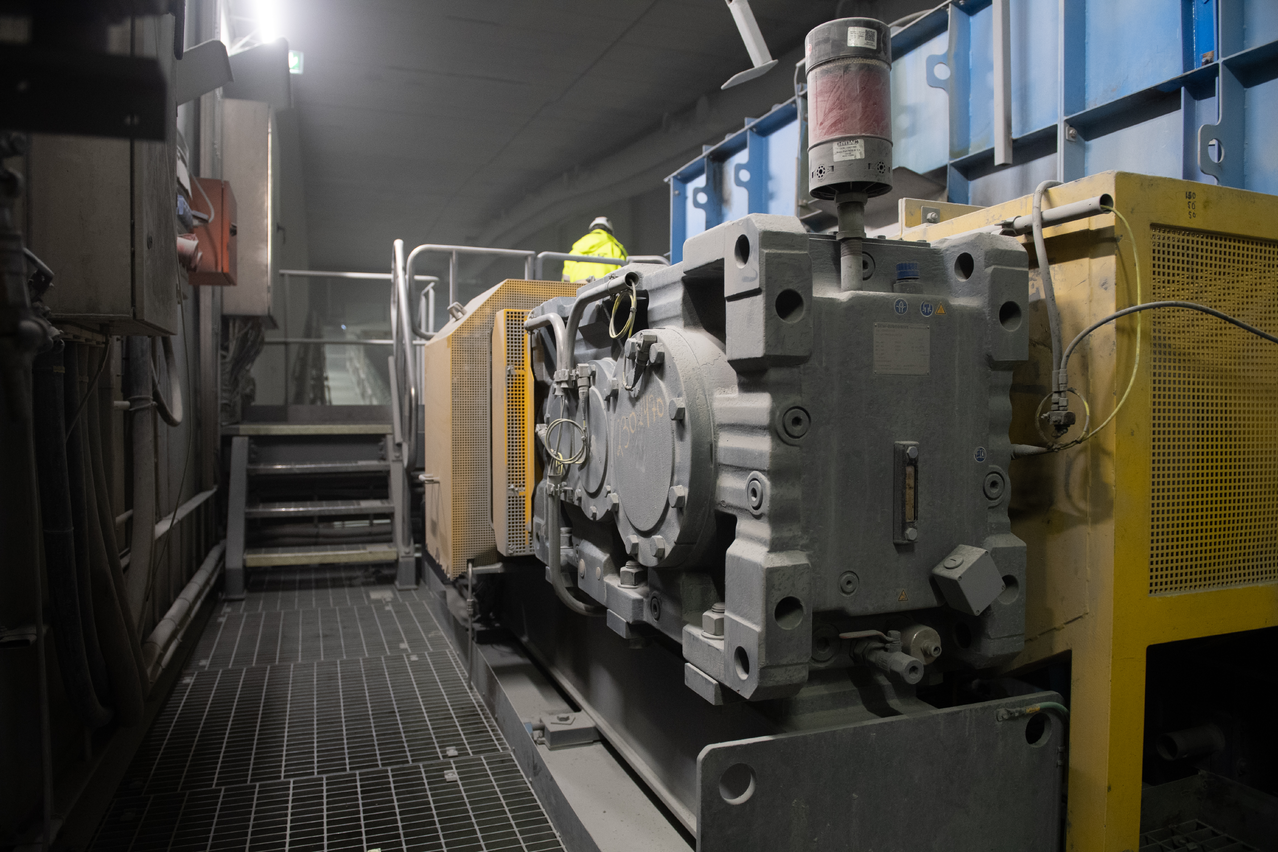
Due to poor lubrication practices, 36% of bearing failures result from inadequate lubrication, and this number increases to 56% when contamination is also considered, making it the single largest cause of machine failure. Research shows that improper lubrication increases friction, wear, and overheating, directly leading to unexpected breakdowns and costly downtime.
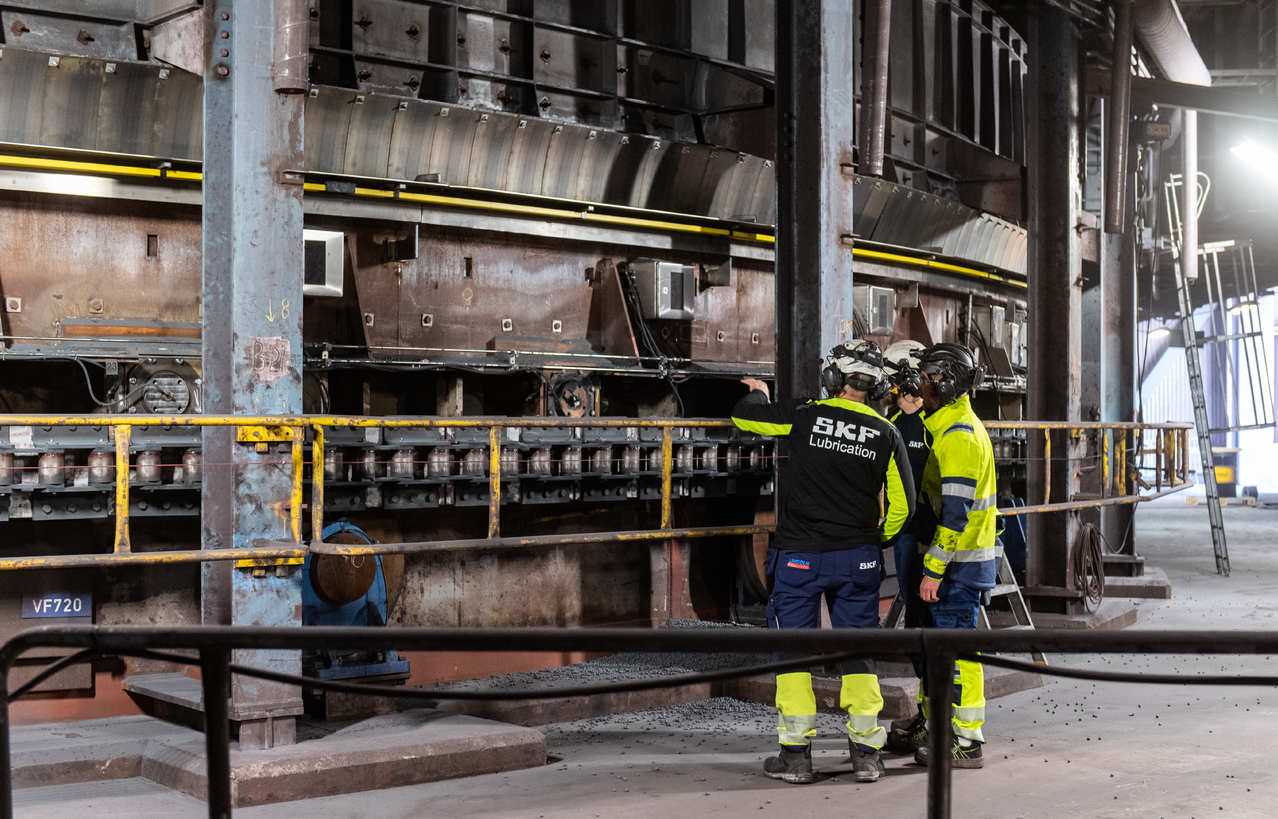
Lubrication is often treated as a routine task rather than a precision process. Research shows that over 60% of lubrication-related failures are caused by incorrect quantity or frequency, either too much, leading to seal damage and overheating, or too little, resulting in friction and wear.

Poor lubrication can cause equipment to overheat, seize, or leak, creating slip hazards and increasing the risk of mechanical accidents. SKF highlights that lubrication failures can lead to catastrophic equipment breakdowns, endangering nearby personnel. One of the key benefits of automatic lubrication systems is that they reduce the need for manual access to moving or hazardous areas.

Without a structured lubrication checklist, even the most efficient production plan is vulnerable to unexpected breakdowns, safety risks, and costly delays. According to SKF’s lubrication maturity models, plants that implement detailed lubrication checklists experience significantly fewer failures and reduced maintenance costs. These checklists cover critical areas such as lubricant selection, storage and handling, application methods, contamination control, and condition monitoring, all of which directly impact uptime, safety, and operational efficiency.

It has been observed that automated lubrication systems reduce manual labor and extend re-lubrication intervals, saving up to $57,000 annually per machine in labor costs alone. They also significantly extend machine life, reduce human error, and improve consistency.

Focusing only on lubricant price overlooks hidden costs such as downtime, labor, and energy inefficiency. SKF’s lifecycle cost models show that premium lubrication systems pay for themselves through reduced failures and energy savings.

SKF’s sustainability data shows that optimized lubrication reduces CO₂ emissions and lubricant waste, supporting ESG goals. Automatic lubrication saves around 200,000 tons of grease per year worldwide by minimizing the waste caused by manual lubrication, equivalent to a reduction of 300,000 tons of CO₂. Additionally, SKF's RecondOil technology enables a circular use of oil that reduces CO₂ emissions by more than 96% overall.

A 2017 study cited by SKF found that 20% of global energy is lost to friction. Proper lubrication helps reduce this loss, improving machine efficiency and lowering energy bills.
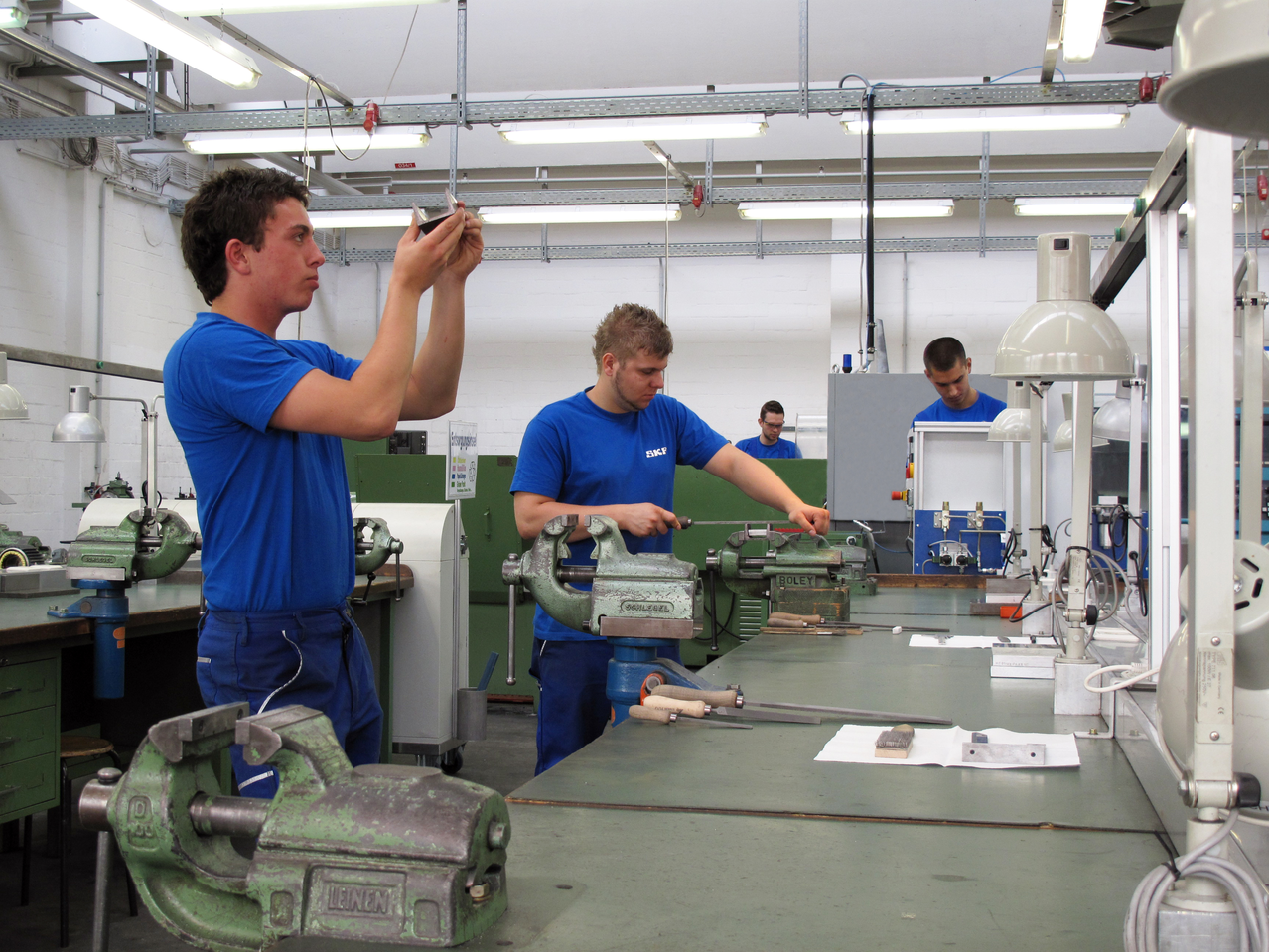
SKF advocates a competency-based approach to lubrication, which involves understanding tribology, contamination control, and system design skills that directly impact plant performance and safety.
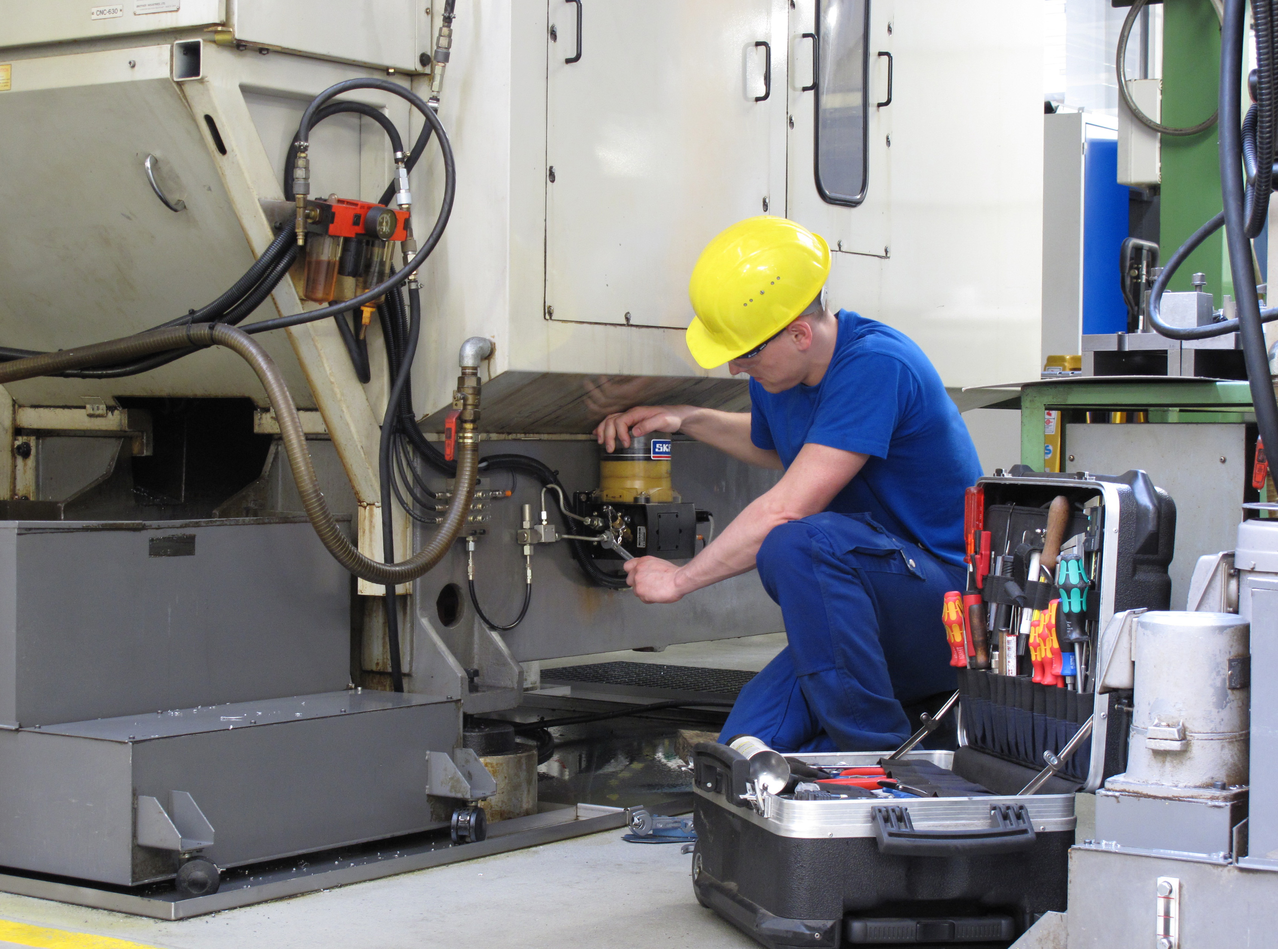
A leading research agency emphasizes that lubrication is a skill-based discipline, not just a routine task. Their training programs demonstrate that well-trained teams make better decisions, reduce errors, and extend equipment life.